What Is iPaaS? Architecture, Use Cases and Selection Criteria
iPaaS solutions in Saudi Arabia (Integration Platform as a Service) are cloud-native, multitenant platforms that standardize, automate, and govern integration
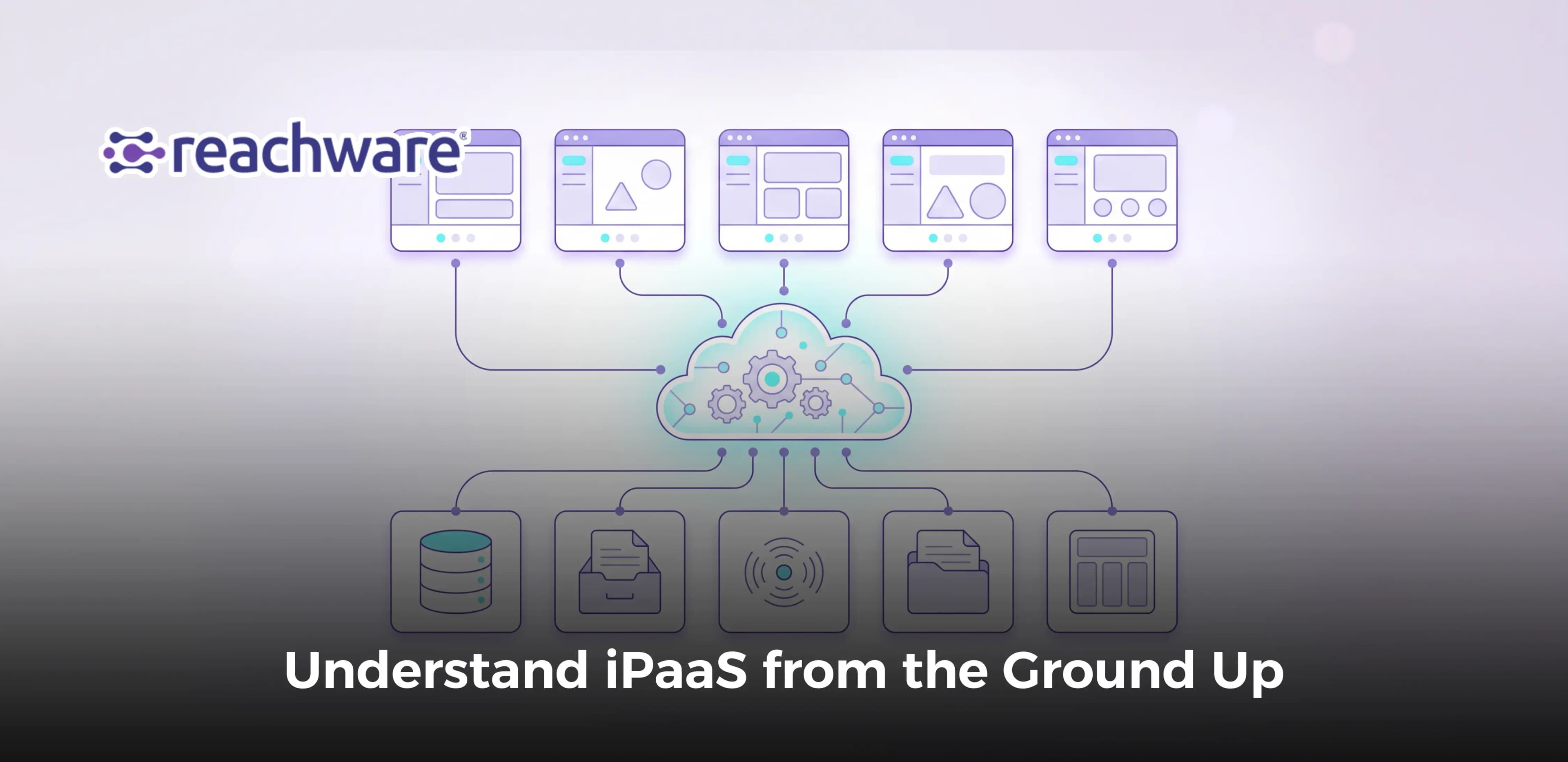
iPaaS solutions in Saudi Arabia (Integration Platform as a Service) are cloud-native, multitenant platforms that standardize, automate, and govern integration flows across distributed on-premises legacy systems, cloud-hosted enterprise applications (ERP, CRM, HCM, SCM), and external business-to-government (B2G) services.
Executive summary: define the problem and answer the query
Connecting core ERPs, CRMs, and government APIs (such as ZATCA) via custom point-to-point scripts creates a fragile "spaghetti architecture" prone to maintenance bottlenecks and compliance risks. An enterprise iPaaS provides a centralized, API-led backbone—replacing brittle code with pre-built connectors, automated queuing, and certified In-Kingdom hosting compliant with Saudi NCA and PDPL regulations.
codeCode
┌────────────────────────────────────────────────────────────────────────────────────────┐
│ SAUDI ENTERPRISE APPLICATION LANDSCAPE │
│ Core ERPs (SAP/Oracle) │ CRMs (Salesforce) │ HCM (Workday/Oracle) │ B2G / ZATCA │
└───────────────────────────────────────────┬────────────────────────────────────────────┘
│ APIs, Webhooks, Message Streams, Flat Files
▼
┌────────────────────────────────────────────────────────────────────────────────────────┐
│ ENTERPRISE iPaaS INTEGRATION BACKBONE │
│ │
│ ┌─────────────────────────┐ ┌─────────────────────────┐ ┌────────────────────────┐ │
│ │ System / Connectivity │ │ Process / Orchestration │ │ Experience / API Edge │ │
│ │ Pre-built adapters & │ │ State machines, event │ │ API Gateway, Developer │ │
│ │ protocol translation │ │ brokers & data mappers │ │ Portal, Rate Limiting │ │
│ └─────────────────────────┘ └─────────────────────────┘ └────────────────────────┘ │
│ │
│ ┌──────────────────────────────────────────────────────────────────────────────────┐ │
│ │ Governance & Security: Saudi In-Kingdom Hosting, NCA ECC Controls, PDPL Privacy │ │
│ └──────────────────────────────────────────────────────────────────────────────────┘ │
└───────────────────────────────────────────┬────────────────────────────────────────────┘
│ Governed, Real-Time Synchronized Data
▼
┌────────────────────────────────────────────────────────────────────────────────────────┐
│ DIGITAL BUSINESS STAKEHOLDERS & CHANNELS │
│ Omnichannel Retail │ Executive Analytics │ Supply Chain Partners │ Gov Compliance │
└────────────────────────────────────────────────────────────────────────────────────────┘
This pillar article provides a complete architectural guide for CIOs, technical leads, and integration architects. To navigate sub-topics and advanced integration strategies within this hub, reference our master Topic guide: iPaaS solutions in Saudi Arabia.
Core Architecture Comparison: Point-to-Point vs. Traditional ESB vs. Enterprise iPaaS
Evaluation Parameter | Point-to-Point Custom APIs | Legacy Enterprise Service Bus (ESB) | Modern Cloud-Native iPaaS |
Architectural Model | Decentralized mesh; tightly coupled code. | Centralized on-premises monolith. | Distributed, cloud-native API-led microservices. |
Deployment & Footprint | Ad-hoc virtual machines or microservices. | Heavy on-premises hardware clusters. | Multi-tenant cloud or localized private cloud runtime. |
Scalability Under Load | Manual infrastructure scaling; high risk of failure. | Vertically bounded by server hardware capacity. | Elastic horizontal auto-scaling managed by the platform. |
Connector Availability | Zero; 100% custom software engineering. | Heavyweight, proprietary adapter modules. | Rich library of turnkey SaaS, ERP, and regional adapters. |
Maintenance Burden | High; breaks whenever an external endpoint updates. | High; specialized teams required for upgrades. | Low; platform handles API deprecations and patches. |
Governance & Visibility | Dispersed server logs; poor central audit trail. | Centralized, but rigid and complex to parse. | Single-pane-of-glass observability with real-time APM. |
Regional Compliance | Manually enforced per microservice. | Complex on-premises setup; high CapEx. | Certified In-Kingdom cloud runtimes (NCA & PDPL compliant). |
Enterprises seeking to modernize legacy backends can leverage an enterprise integration platform to establish reliable, governed connectivity across their application ecosystem.
Definitions, architecture and use-case taxonomy
Defining Enterprise iPaaS
At its core, an Integration Platform as a Service (iPaaS) is a suite of cloud services enabling development, execution, and governance of integration flows connecting any combination of on-premises and cloud-based processes, services, applications, and data within individual or across multiple organizations.
API-Led Connectivity Architecture: The 3-Tier Layered Approach
Leading enterprise architectures structure their integration environments using API-led connectivity. This pattern categorizes APIs into three distinct tiers to maximize reuse and decouple core records from user interfaces:
codeCode
┌────────────────────────────────────────────────────────────────────────────────────────┐
│ 1. EXPERIENCE APIS │
│ Mobile App API │ B2B Partner Portal │ E-Commerce Checkout │ Gov Compliance Feed │
└───────────────────────────────────────────┬────────────────────────────────────────────┘
│ Re-composed business data
▼
┌────────────────────────────────────────────────────────────────────────────────────────┐
│ 2. PROCESS APIS │
│ Order-to-Cash Orchestrator │ Customer 360 Aggregator │ Employee Onboarding Pipeline │
└───────────────────────────────────────────┬────────────────────────────────────────────┘
│ Standardized system calls
▼
┌────────────────────────────────────────────────────────────────────────────────────────┐
│ 3. SYSTEM APIS │
│ SAP S/4HANA (BAPI/OData) │ Salesforce CRM (REST) │ Oracle HCM (SOAP) │ WMS Database │
└────────────────────────────────────────────────────────────────────────────────────────┘
- System APIs: Provide secure, standardized access to underlying systems of record (e.g., retrieving customer tables from SAP or ledger entries from Oracle). These insulate sensitive core databases from direct frontend access.
- Process APIs: Encapsulate core business logic and orchestrate data across multiple systems (e.g., orchestrating an Order-to-Cash flow that checks inventory, charges credit, updates the ledger, and reserves stock).
- Experience APIs: Format and deliver curated data payloads tailored to specific consumption channels (e.g., mobile apps, executive dashboards, or external partner webhooks).
Enterprise Use-Case Taxonomy
codeCode
ENTERPRISE iPaaS USE-CASE TAXONOMY
│
┌────────────────────────┬───────────────┴───────────────┬────────────────────────┐
▼ ▼ ▼ ▼
[ERP / CRM Sync] [B2G Compliance] [Omnichannel B2B/B2C] [Data / Event Pipelines]
Quote-to-Cash, ZATCA Phase 2, Inventory sync (ATP), Real-time data lakes,
Customer 360, GOSI / Muqeem HR feeds, E-commerce orders, IoT telemetry,
Financial ledger sync National digital identity 3PL Logistics / AWBs Kafka / Event-driven sync
1. ERP/CRM Integration Architecture
Synchronizing Customer 360 master data between Salesforce or Microsoft Dynamics CRM and backend financial ledgers in SAP or Oracle. When a sales opportunity shifts to "Closed-Won," the iPaaS orchestrates credit checks, creates the ERP customer record, generates the sales order, and returns real-time invoicing status back to the CRM.
2. Business-to-Government (B2G) Compliance
Automating regional regulatory mandates, specifically ZATCA Phase 2 e-invoicing. The iPaaS extracts transactional data, canonicalizes the document to UBL 2.1 XML, executes cryptographic signing via ECDSA, applies C14N canonicalization, generates Phase 2 QR codes, and dispatches the data to government portals within statutory timeframes.
3. Omnichannel Commerce and Supply Chain
Connecting digital storefronts (Shopify, Salla, Zid, Magento) and marketplaces (Amazon.sa, Noon) with enterprise Warehouse Management Systems (WMS) and third-party logistics couriers (SMSA, Aramex).
For deeper architectural patterns on managing software-as-a-service ecosystems, read our detailed guide on Integrating SaaS Applications with iPaaS: Best Practices.
How iPaaS differs from integration middleware
While "middleware" is a broad umbrella term historically referring to on-premises systems like Enterprise Service Buses (ESB) and Message-Oriented Middleware (MOM), an enterprise iPaaS represents a major architectural evolution:
codeCode
┌───────────────────────────────────────────────┐ ┌───────────────────────────────────────────────┐
│ TRADITIONAL ON-PREMISES ESB │ │ MODERN CLOUD ENTERPRISE iPaaS │
├───────────────────────────────────────────────┤ ├───────────────────────────────────────────────┤
│ • Monolithic, on-premises server architecture │ │ • Distributed, containerized cloud runtimes │
│ • Requires manual infrastructure maintenance │ │ • Fully managed auto-scaling and high avail. │
│ • Heavy, complex Java/XML configurations │ │ • Visual low-code mappers with pro-code hooks │
│ • Multi-month hardware procurement cycles │ │ • Rapid deployment with pre-built connectors │
│ • Optimized for internal corporate networks │ │ • Engineered for hybrid & multi-cloud meshes │
└───────────────────────────────────────────────┘ └───────────────────────────────────────────────┘
- Deployment Architecture: Traditional middleware requires dedicated on-premises servers, complex virtual machines, and ongoing operating system patching. An iPaaS is cloud-native, running on elastic, containerized runtimes that automatically scale with data traffic.
- Speed to Value: Developing an integration flow in a traditional ESB typically requires writing custom Java modules, handling complex XML stylesheets (XSLT), and manually configuring message queues. An iPaaS offers low-code visual canvases, drag-and-drop transformations, and certified pre-built connectors that reduce implementation timelines from months to days.
- Hybrid & Multi-Cloud Connectivity: Traditional middleware excels within a single corporate datacenter, but struggles when securing endpoints across AWS, Azure, Google Cloud, and SaaS vendors. Modern iPaaS solutions deploy lightweight, secure hybrid agents that bridge on-premises databases with cloud applications without requiring complex VPN tunnels.
Selection framework for Saudi enterprises
Selecting an enterprise integration platform in the Kingdom requires evaluating both technical capabilities and regional regulatory compliance.
codeCode
SAUDI ENTERPRISE iPaaS SELECTION FUNNEL
│
Does the platform offer certified In-Kingdom hosting
compliant with Saudi NCA ECC and PDPL laws?
│
┌─────────────────┴─────────────────┐
YES NO
│ │
▼ ▼
Does your technical team require [DISQUALIFIED]
low-code agility or dedicated Violates data sovereignty
certified ESB developers? for critical enterprise data
│
┌─────────────┴─────────────┐
▼ ▼
[Low-Code / Pro-Code] [Pro-Code Heavyweight]
Turnkey pre-built regional MuleSoft / Boomi
connectors (Reachware) Requires large internal dev teams
Critical Saudi Evaluation Criteria
1. In-Kingdom Data Residency (PDPL & NCA ECC Compliance)
Under the Saudi Personal Data Protection Law (PDPL) and the National Cybersecurity Authority (NCA) Essential Cybersecurity Controls (ECC-1:2018), sensitive personal data, financial records, and government communications must not be transferred outside the Kingdom without explicit regulatory authorization. Global iPaaS vendors operating strictly from European or US datacenters represent a major compliance liability for Saudi enterprises.
2. Native Regional Ecosystem Adapters
Global integration suites provide generic HTTP/REST tools, but lack out-of-the-box connectors for Saudi platforms. Enterprise buyers should look for native connectors for:
- Government Gateways: ZATCA Fatoora (Phase 2), Muqeem, Absher, GOSI, and Nafath.
- Regional Commerce Channels: Salla, Zid, Noon, and local payment gateways (Mada, Tamara, Tabby).
- National Logistics Providers: SMSA Express, Aramex, and Saudi Post (SPL).
3. Total Cost of Ownership (TCO) and Resource Availability
Enterprise platforms like MuleSoft or IBM MQ often require multi-million-SAR license commitments, along with highly specialized, certified integration engineers. Conversely, specialized low-code platforms allow existing enterprise IT, business intelligence, and ERP teams to build and maintain integration flows using visual tools and standard scripting languages.
Implementation blueprint and data flow (step by step)
To illustrate an enterprise iPaaS flow, consider a mission-critical Order-to-Cash and Financial Compliance Pipeline connecting a digital commerce platform, an enterprise ERP, an e-invoicing compliance gateway, and a national 3PL carrier.
Multi-System Integration Sequence
codeCode
[Digital Storefront] ──> (1. Order Event) ──> [iPaaS Ingestion Bus]
│
│ (2. Canonical Schema Mapping)
▼
┌──────────────────────────┐
│ Process Orchestrator │
└────────────┬─────────────┘
│
┌──────────────────────────────────┼──────────────────────────────────┐
│ (3. Reserve Stock & Post Order) │ (4. Cryptographic Sign & Clear) │ (5. Generate Shipping AWB)
▼ ▼ ▼
┌───────────────────────┐ ┌───────────────────────┐ ┌───────────────────────┐
│ Enterprise ERP Ledger │ │ ZATCA Phase 2 Gateway │ │ 3PL Logistics API │
│ (SAP / NetSuite/D365) │ │ (UBL 2.1 XML / QR) │ │ (SMSA / Aramex) │
└───────────────────────┘ └───────────────────────┘ └───────────────────────┘
│ │ │
└──────────────────────────────────┼──────────────────────────────────┘
│ (6. Consolidate & Update Status)
▼
[iPaaS Event Aggregator]
│
▼
[Digital Storefront / Customer]
(Order Confirmed & AWB Issued)
Step-by-Step Technical Execution
Step 1: Secure Ingestion and Edge Decoupling
- An e-commerce purchase or B2B sales contract triggers an outbound webhook.
- The iPaaS API Gateway receives the HTTPS payload, validates authorization via OAuth 2.0 / Mutual TLS (mTLS), and checks the client signature.
- An immediate HTTP 202 Accepted response is returned to release the front-end thread, while the raw transaction is pushed into an encrypted, in-memory queue to guarantee zero message loss.
Step 2: Canonical Normalization and Business Rules Engine
- The payload is parsed from channel-specific JSON into the organization's Canonical Data Model (CDM).
- Missing fields are enriched via cached lookups (e.g., retrieving the customer's 15-digit VAT registration number, National Address details, and default warehouse routing IDs).
codeJSON
// Example: Canonical Order Payload Normalized within the iPaaS Layer
{
"integration_header": {
"transaction_id": "tx_ksa_8841920",
"timestamp_utc": "2026-10-20T08:14:00Z",
"source_environment": "COMMERCE_EDGE"
},
"business_payload": {
"order_reference": "ORD-2026-9921",
"currency": "SAR",
"financials": {
"subtotal": 12000.00,
"tax_rate": 0.15,
"tax_amount": 1800.00,
"grand_total": 13800.00
},
"customer": {
"corporate_name": "Al-Noor Industrial Trading Co.",
"cr_number": "1010123456",
"vat_number": "300012345600003",
"national_address": {
"building_no": "8219",
"street": "King Abdulaziz Road",
"district": "Al-Murabba",
"city": "Riyadh",
"postal_code": "12624"
}
},
"line_items": [
{
"sku": "INDUSTRIAL-VALVE-A1",
"quantity": 10,
"unit_price": 1200.00,
"tax_category": "S",
"fulfillment_center": "DC-RUH-SOUTH"
}
]
}
}
Step 3: Enterprise ERP Ledger Synchronization
- The iPaaS translates the canonical JSON into the ERP's required protocol (e.g., OData v4 for SAP S/4HANA or SOAP/SuiteTalk for NetSuite).
- The platform creates the Sales Order, reserves inventory in warehouse DC-RUH-SOUTH, and returns the internal ERP document number.
Step 4: Regulatory Tax Compliance Orchestration
- The transaction is routed to the tax module. The integration engine generates the required UBL 2.1 XML document, applies Canonical XML (C14N) transformations, computes the SHA-256 digest, and signs it using the private cryptographic key.
- The payload is transmitted to ZATCA's API for synchronous B2B clearance or staged for asynchronous B2C reporting, and the certified QR code is stored.
Step 5: Logistics Allocation and Courier Dispatch
- The platform connects to the regional 3PL courier (SMSA or Aramex), generates the shipping label, and retrieves the Airway Bill (AWB) number and tracking URL.
Step 6: Multi-System Status Consolidation
- The iPaaS aggregates statuses across the ERP, ZATCA, and the logistics courier, updates the storefront order state to "Fulfilled," stores the cleared XML invoice, and sends an automated notification to the customer.
To plan your rollout using structured delivery templates, consult our execution blueprint: [iPaaS Implementation: Step-by-Step Guide to a Successful Integration ](https://reachware.com/blog/ipaas-implementation-step-by-step-guide-to-a-successful-integration).
Evaluation framework: requirements, decision matrix and alternatives
Enterprise procurement and architectural review boards should evaluate candidate platforms using a weighted decision matrix:
codeCode
┌──────────────────────────────────────┬─────────┬──────────────┬──────────────┬──────────────┐
│ Evaluation Criteria │ Weight │ MuleSoft │ Workato │ Reachware │
│ │ │ Anypoint │ Enterprise │ Connect │
├──────────────────────────────────────┼─────────┼──────────────┼──────────────┼──────────────┤
│ Saudi Data Residency (In-Kingdom) │ 25% │ Complex / On-Prem│ Overseas Cloud│ Native Saudi Cloud│
├──────────────────────────────────────┼─────────┼──────────────┼──────────────┼──────────────┤
│ Pre-Built Saudi Regional Adapters │ 20% │ Low (Custom) │ Low (Generic)│ High (Turnkey)│
├──────────────────────────────────────┼─────────┼──────────────┼──────────────┼──────────────┤
│ Ease of Use & Low-Code Capability │ 15% │ Moderate/Pro │ High │ High │
├──────────────────────────────────────┼─────────┼──────────────┼──────────────┼──────────────┤
│ High-Throughput & Message Buffering │ 15% │ Very High │ High │ High │
├──────────────────────────────────────┼─────────┼──────────────┼──────────────┼──────────────┤
│ Total Cost of Ownership (TCO) │ 15% │ High │ Moderate/High│ Optimized │
├──────────────────────────────────────┼─────────┼──────────────┼──────────────┼──────────────┤
│ Enterprise Security (SOC 2, NCA, TLS)│ 10% │ High │ High │ High (NCA-aligned)│
└──────────────────────────────────────┴─────────┴──────────────┴──────────────┴──────────────┘
Strategic Alternatives Overview
- When MuleSoft Fits Best: Massive multi-national enterprises with hundreds of internal software developers, heterogeneous legacy mainframe environments, and existing global multi-million-dollar Salesforce enterprise agreements.
- When Workato Fits Best: Global technology companies seeking cross-departmental SaaS automations (HR, CRM, Marketing) who do not require physical In-Kingdom data hosting or specialized regional GCC connectors.
- When Reachware Connect Fits Best: Mid-market and large enterprises operating in Saudi Arabia and the GCC requiring native enterprise ERP integrations (SAP, Oracle, Dynamics, Odoo), regional commerce adapters (Salla, Zid, Noon, Amazon.sa), localized regulatory compliance (ZATCA Phase 2), and guaranteed In-Kingdom data hosting.
Failure modes, security, governance and validation
Enterprise integrations must be built defensively to handle network instability, API rate limits, and unexpected schema changes.
codeCode
┌───────────────────────────────────────┬───────────────────────────────────────────────────────┐
│ Common Integration Failure Mode │ Engineering Remediation in Resilient iPaaS │
├───────────────────────────────────────┼───────────────────────────────────────────────────────┤
│ 1. API Rate Limiting │ Token-bucket rate limiters dynamically pace requests │
│ (HTTP 429 Too Many Requests) │ according to target system quotas. │
├───────────────────────────────────────┼───────────────────────────────────────────────────────┤
│ 2. Concurrent Stock Collisions │ Distributed lock managers (e.g., Redis Redlock) │
│ (Overselling on flash sales) │ serialize inventory deduction requests per SKU. │
├───────────────────────────────────────┼───────────────────────────────────────────────────────┤
│ 3. Downstream ERP Maintenance Outages │ Automated circuit breakers isolate failing endpoints; │
│ (HTTP 503 / 504 Timeouts) │ events queue in Dead Letter Queues (DLQ) for replay. │
├───────────────────────────────────────┼───────────────────────────────────────────────────────┤
│ 4. Duplicate Webhook Deliveries │ Strict cryptographic idempotency keys discard │
│ (Double-billing / duplicate orders)│ retransmitted events without executing duplicate runs.│
├───────────────────────────────────────┼───────────────────────────────────────────────────────┤
│ 5. Schema Drift & Missing Attributes │ Pre-execution JSON/XML schema validation intercepts │
│ (Malformed customer data) │ malformed payloads before hitting core databases. │
└───────────────────────────────────────┴───────────────────────────────────────────────────────┘
1. Circuit Breakers and Resilient Retries
When a core ERP enters a maintenance window or crashes under load, direct integration scripts often fail and permanently drop transactional messages.
An enterprise iPaaS deploys automated circuit breakers:
- When downstream errors exceed a defined threshold (e.g., 20% failures over a 60-second window), the circuit opens, halting outbound calls to protect the downstream system.
- Inbound transactions are buffered securely in encrypted Dead Letter Queues (DLQ).
- Once downstream health checks pass, the circuit closes, and buffered transactions are systematically replayed using exponential backoff with jitter to prevent an overwhelming traffic spike.
2. Enforcing Idempotency in High-Concurrency Flows
Network blips frequently cause upstream platforms to re-transmit webhooks. Without built-in idempotency controls, an enterprise system may process the same order twice, double-charging the customer or creating duplicate warehouse pick tickets.
An enterprise iPaaS generates a unique cryptographic hash from the source channel identifier and transaction reference:
If an incoming transaction matches an active key within a rolling deduplication cache (e.g., 7 days), the platform acknowledges receipt to the sender while discarding the duplicate processing payload.
3. Saudi Cybersecurity & Data Governance Controls
Operating in Saudi Arabia requires adhering to national cybersecurity and data protection frameworks, including the NCA Essential Cybersecurity Controls (ECC-1:2018) and the Saudi Personal Data Protection Law (PDPL):
- In-Kingdom Data Hosting: Integration processing and operational logs containing customer PII must reside within Saudi borders.
- Encryption Standards: Payloads must be encrypted using AES-256 at rest and TLS 1.3 in transit.
- Role-Based Access Control (RBAC): Granular access controls ensure support personnel can view system statuses and resolve errors without viewing raw customer PII.
Saudi Arabia use cases and measurable KPIs
Realistic Saudi Enterprise Case Study: Omnichannel Building Materials Distributor
- Enterprise Profile: A major Saudi industrial and building materials supplier with headquarters in Riyadh, managing 35 regional distribution warehouses, a high-volume B2B customer portal, and an SAP S/4HANA on-premises ERP core.
- System Footprint: SAP S/4HANA, Salesforce Sales Cloud, Magento B2B Portal, and regional logistics couriers.
- Initial Challenge: Sales teams generated quotes in Salesforce, but had no visibility into real-time stock in SAP. Warehouse staff manually re-entered approved web orders into SAP, resulting in an average order-to-fulfillment delay of 36 hours. During month-end closes, manual data reconciliation required over 120 hours of manual labor.
The Transformation with an Enterprise iPaaS
The enterprise implemented an API-led integration platform hosted In-Kingdom:
- Real-Time Customer & Pricing Sync: Salesforce was connected to SAP via bi-directional System and Process APIs, providing account executives with live credit limits, contract pricing, and warehouse inventory counts within the CRM.
- Automated Order-to-Cash Pipeline: Web portal orders trigger automated sales order creation in SAP, verify tax calculation against ZATCA Phase 2 guidelines, and generate warehouse pick tickets within 45 seconds.
- Automated Financial Reconciliation: Payment gateway settlements, bank deposits, and sales invoices are matched continuously, cutting manual reconciliation time to under two hours per month.
Measurable Enterprise Performance KPIs
codeCode
┌──────────────────────────────────────┬────────────────────────┬────────────────────────┐
│ Strategic Performance Metric │ Prior Legacy State │ Post-iPaaS Deployment │
├──────────────────────────────────────┼────────────────────────┼────────────────────────┤
│ Order-to-Fulfillment Processing Time │ 36 to 48 hours │ < 15 minutes │
├──────────────────────────────────────┼────────────────────────┼────────────────────────┤
│ Inventory Visibility Latency │ Batch (24-hour lag) │ Real-time (< 30 secs) │
├──────────────────────────────────────┼────────────────────────┼────────────────────────┤
│ End-of-Month Reconciliation Labor │ 120+ hours / month │ < 2 hours (Automated) │
├──────────────────────────────────────┼────────────────────────┼────────────────────────┤
│ ZATCA Phase 2 Rejection Rate │ ~4.2% (Manual XML) │ 0.00% (Pre-validated) │
├──────────────────────────────────────┼────────────────────────┼────────────────────────┤
│ IT Integration Maintenance Overhead │ 40+ engineering hrs/wk │ < 3 engineering hrs/wk │
└──────────────────────────────────────┴────────────────────────┴────────────────────────┘
Where Reachware fits and when to request a demo
Purpose-Built for Saudi Enterprise Architecture: Reachware Connect
Reachware Connect is an enterprise-grade Integration Platform as a Service (iPaaS) engineered specifically for the regulatory, commercial, and technical landscape of Saudi Arabia and the GCC. Unlike generic global tools that treat regional business systems as unsupported edge cases, Reachware delivers an API-led integration platform with deep out-of-the-box support for the regional enterprise ecosystem:
- Certified Regional & Enterprise Connectors: Turnkey, pre-certified integration adapters for SAP S/4HANA, Oracle NetSuite, Microsoft Dynamics 365, Odoo, Salla, Zid, Amazon.sa, Noon, and Salesforce.
- Native Regulatory Compliance: Built-in validation pipelines for ZATCA Phase 2 e-invoicing, regional payment gateways (Mada, Tamara, Tabby), and government compliance services.
- Guaranteed In-Kingdom Cloud Hosting: High-availability cloud infrastructure physically hosted within Saudi Arabia, fully certified against NCA ECC controls and compliant with the Saudi PDPL.
- Low-Code Simplicity with Pro-Code Extensibility: Business analysts and IT teams build, deploy, and monitor integrations using a visual low-code mapper, while software engineers retain complete freedom to write custom transformation scripts and API hooks.
codeCode
┌────────────────────────────────────────────────────────────────────────────────────────┐
│ REACHWARE CONNECT SUITE │
│ │
│ [PRE-BUILT CONNECTORS] [ORCHESTRATION & LOGIC] [LOCAL ECOSYSTEM HUB] │
│ • SAP / Oracle / D365 • Visual Schema Mapper • In-Kingdom Cloud Hosting │
│ • Salesforce / Dynamics • Dead Letter Queues (DLQ) • ZATCA Phase 2 Validated │
│ • Salla / Zid / Amazon.sa • Distributed Rate Limiting • National 3PL APIs (SMSA) │
│ • Odoo / Custom REST • Automated Circuit Breakers • Mada / BNPL Reconciliation │
└────────────────────────────────────────────────────────────────────────────────────────┘
When to Request a Technical Evaluation
Enterprise IT leadership, CIOs, and architecture teams should consider requesting an architectural review and platform demonstration when:
- Your enterprise is modernizing core ERP systems (migrating to SAP S/4HANA or Oracle Cloud) and needs to avoid building brittle custom integrations.
- Compliance with Saudi data residency laws (PDPL/NCA) requires migrating off offshore multi-tenant integration platforms to an In-Kingdom hosted iPaaS.
- Core business processes (Order-to-Cash, Procure-to-Pay, Customer 360) are stalled by disconnected applications and manual data entry.
- Internal software engineering teams spend too much time troubleshooting point-to-point scripts and managing API updates.
To evaluate your architecture and explore enterprise connector blueprints, Explore Reachware Connect or request a tailored demo with our regional solution architects.
Frequently asked questions (concise answers)
What does iPaaS mean for enterprise teams?
For enterprise IT and business teams, an Integration Platform as a Service (iPaaS) represents a centralized, cloud-hosted platform that simplifies, automates, and governs connections between disparate applications. Rather than tasking software engineers with building and maintaining custom point-to-point API code, an iPaaS provides visual data-mapping tools, pre-built application connectors, guaranteed message delivery, and unified monitoring. This allows enterprises to connect systems faster, lower maintenance costs, enforce security and compliance standards, and maintain an agile application ecosystem.
When is an integration platform better than custom APIs?
An integration platform is significantly better than custom-coded APIs whenever an organization manages more than three interconnected systems, experiences high transaction volumes, or operates in regulated environments:
- Lower Maintenance: Custom APIs break when third-party endpoints update or deprecate schemas; an iPaaS vendor manages connector updates in the background.
- Built-in Resilience: An iPaaS provides enterprise-grade message queuing, Dead Letter Queues (DLQ), and automated circuit breakers out of the box—capabilities that require months of custom software development to build from scratch.
- Observability & Governance: An iPaaS provides a single monitoring dashboard for audit logs, payload tracking, and role-based access control, eliminating the need to parse disconnected server logs.
How should Saudi companies evaluate iPaaS vendors?
Saudi enterprises should evaluate iPaaS vendors using four primary criteria:
- In-Kingdom Data Residency: Verify that the vendor offers dedicated cloud hosting physically located inside Saudi Arabia, meeting NCA ECC controls and the Personal Data Protection Law (PDPL).
- Turnkey Regional Connectors: Ensure the platform provides native, pre-certified adapters for regional requirements—such as ZATCA Phase 2 e-invoicing, regional commerce platforms (Salla, Zid, Noon), and national logistics carriers.
- Enterprise Scalability: Review the platform’s concurrency benchmarks, message buffering capabilities, and high-availability architecture during peak sales campaigns.
- Total Cost of Ownership (TCO): Compare the combined costs of licensing, implementation, and certified developer resources. Platforms with visual low-code tools generally deliver a faster return on investment than legacy heavyweight integration suites.
Technical References & Governance Standards
- National Cybersecurity Authority (NCA): Essential Cybersecurity Controls (ECC-1:2018), Kingdom of Saudi Arabia.
- National Data Management Office (NDMO): Saudi National Data Governance and Personal Data Protection Law (PDPL), 2023–2024.
- Zakat, Tax and Customs Authority (ZATCA): E-Invoicing Detailed Technical Guidelines (Phase 2 Integration), Kingdom of Saudi Arabia.
- OpenAPI Initiative: OpenAPI Specification 3.1.0, Linux Foundation.
- Enterprise Integration Patterns (EIP): Gregor Hohpe & Bobby Woolf, Messaging Systems Architecture.