Top Marketplace Integrators for E-Commerce Success
Top Marketplace Integrators for E-Commerce Success are enterprise integration platforms and middleware solutions that unify multi-channel marketplace storefronts
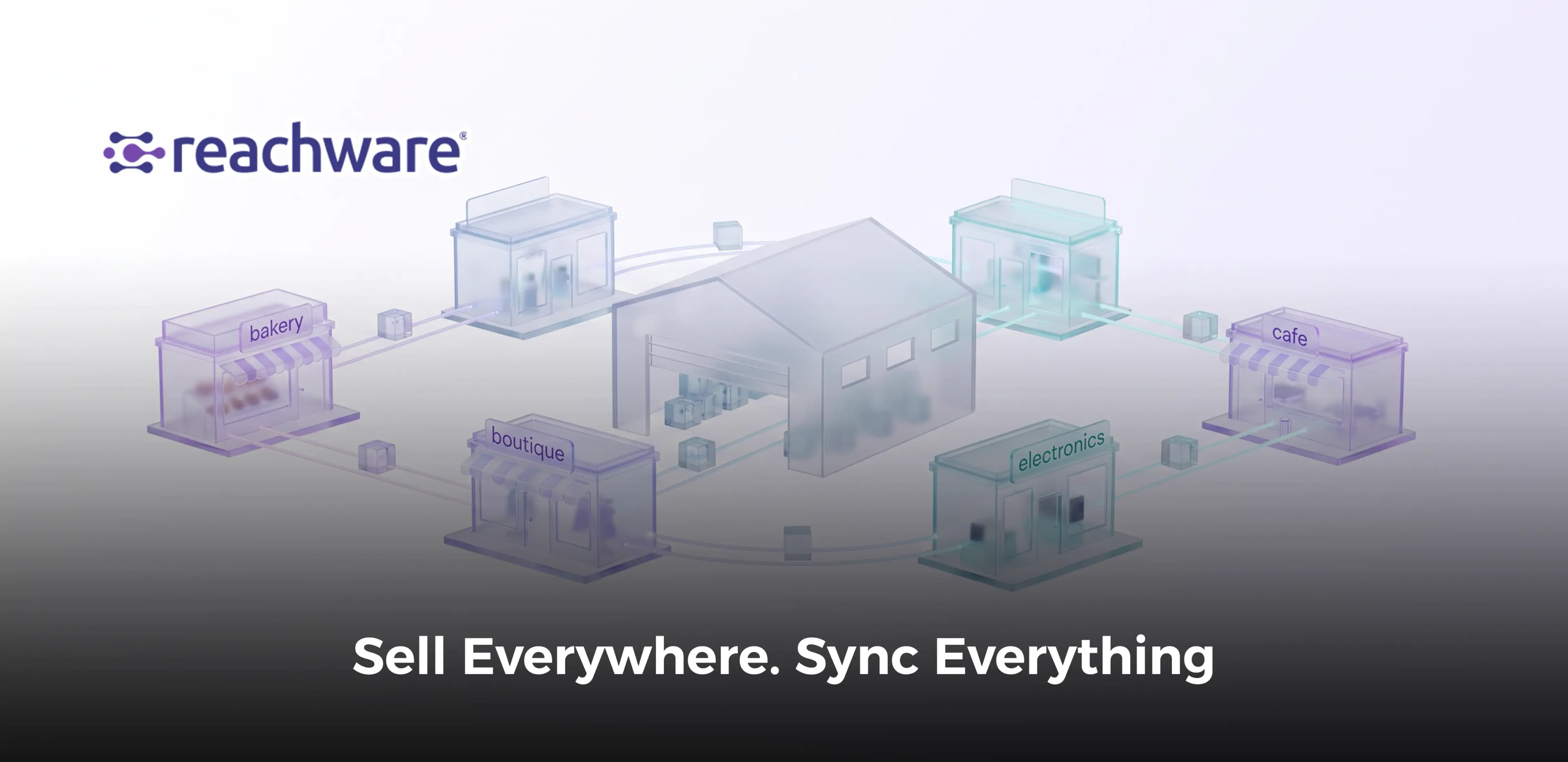
Top Marketplace Integrators for E-Commerce Success are enterprise integration platforms and middleware solutions that unify multi-channel marketplace storefronts (Amazon.sa, Noon, Salla, Zid) with central back-office transactional backbones specifically Enterprise Resource Planning (ERP) systems (SAP S/4HANA, Oracle NetSuite, Microsoft Dynamics 365, Odoo), Warehouse Management Systems (WMS), and Order Management Systems (OMS).
Executive summary: define the problem and answer the query
For enterprise brands and retailers operating in Saudi Arabia and the broader GCC, expanding onto regional and global marketplaces creates a critical operational bottleneck. Each marketplace operates with proprietary API schemas, distinct throttling limits, unique listing taxonomies, and stringent Service Level Agreements (SLAs) for order acknowledgment and fulfillment. Relying on manual merchant portals or disjointed point-to-point scripts inevitably causes inventory desynchronization, double-selling during promotional campaigns (such as White Friday or Ramadan), delayed order processing, and account penalties or delisting by marketplace operators.
An enterprise marketplace integrator functions as a centralized orchestration layer. It delivers automated bidirectional inventory updates, maps multi-channel orders into standardized canonical schemas, synchronizes cancellation and return workflows, and harmonizes financial settlement feeds with backend general ledgers.
codeCode
┌────────────────────────────────────────────────────────────────────────────────────────┐
│ MULTI-CHANNEL MARKETPLACE ECOSYSTEM │
│ Amazon.sa (SP-API) │ Noon Marketplace │ Salla / Zid Channels │ D2C Storefronts │
└───────────────────────────────────────────┬────────────────────────────────────────────┘
│ Orders, Inventory Reads, Returns, Feeds
▼
┌────────────────────────────────────────────────────────────────────────────────────────┐
│ CENTRAL MARKETPLACE INTEGRATION MIDDLEWARE │
│ │
│ ┌─────────────────────────┐ ┌─────────────────────────┐ ┌────────────────────────┐ │
│ │ Channel Rate Adapters │ │ Canonical Schema Mapper │ │ Multi-Node ATP Engine │ │
│ │ Token-bucket throttlers │ │ XML / JSON / REST │ │ Real-time reservation │ │
│ └─────────────────────────┘ └─────────────────────────┘ └────────────────────────┘ │
│ │
│ ┌──────────────────────────────────────────────────────────────────────────────────┐ │
│ │ Localized Saudi Rules: ZATCA Phase 2 Invoicing, Mada/COD Processing, Courier APIs│ │
│ └──────────────────────────────────────────────────────────────────────────────────┘ │
└───────────────────────────────────────────┬────────────────────────────────────────────┘
│ Unified Feeds & Orchestrated Updates
▼
┌────────────────────────────────────────────────────────────────────────────────────────┐
│ CORE RECORD & FULFILLMENT INFRASTRUCTURE │
│ ERP (SAP / NetSuite / D365 / Odoo) │ WMS Hubs │ 3PL Logistics (SMSA / Aramex) │
└────────────────────────────────────────────────────────────────────────────────────────┘
Enterprises planning an end-to-end integration architecture should consult the architectural foundation established in ecommerce middleware and integration to understand how middleware acts as the operational spine of omnichannel trade.
Integration Architecture Decision Matrix: Manual vs. Point-to-Point vs. Dedicated Marketplace Integrator
Evaluation Metric | Manual Portal Management | Point-to-Point Custom Scripts | Dedicated Marketplace Integrator (e.g., Reachware Connect) |
Catalog & Listing Management | Manual copy-pasting across merchant dashboards. | Hardcoded API payloads; fragile to schema changes. | Automated attribute mapping via Canonical Data Models (CDM). |
Inventory Sync Frequency | Batch updates (hours to days); high oversell risk. | Cron-based polls (15–30 mins); API throttling risks. | Sub-second event-driven updates with real-time reservation. |
Order Routing & Fulfillment | Manual data re-entry into ERP/WMS. | Fragile point-to-point webhooks without dead-letter buffering. | Automated multi-node routing to regional warehouses or 3PLs. |
Regional Marketplace Support | Native portal access. | Requires building custom APIs for Noon and local platforms. | Turnkey, pre-certified connectors for Amazon.sa, Noon, Salla, Zid. |
Returns & Cancellation Handling | Disconnected, highly manual customer service flow. | Unhandled edge cases leading to inventory mismatches. | Automated two-way sync: RMA creation, restock, and credit memos. |
Regional Regulatory Compliance | Manual fiscal reconciliation. | Complex custom development for local tax authorities. | Native alignment with ZATCA Phase 2 e-invoicing and Saudi PDPL. |
Organizations modernizing their digital supply chains can deploy enterprise-ready e-commerce integration to bridge commercial storefronts directly with central operations.
Key integration needs across online marketplaces
Operating successfully across diverse marketplace environments requires satisfying distinct operational and technical prerequisites.
codeCode
KEY MARKETPLACE INTEGRATION DEMANDS
│
┌──────────────────────┬───────────────┴───────────────┬──────────────────────┐
▼ ▼ ▼ ▼
[Catalog & Pricing] [Inventory Sync] [Order Routing] [Settlement & Tax]
Taxonomy mapping, Available-to-Promise (ATP), SLA adherence, Commission parsing,
currency localization, multi-warehouse allocation, AWB auto-generation, remittance matching,
dynamic repricing safety stock buffers cancellation webhooks ZATCA Phase 2 rules
1. Catalog and Attribute Normalization
Marketplaces enforce strict, divergent taxonomy rules. Amazon categorizes consumer electronics under a distinct schema hierarchy compared to Noon. A product title, attribute list, or variation matrix acceptable on Shopify or Salla may be rejected by Amazon's Selling Partner API (SP-API) due to missing mandatory bullet points or invalid image aspect ratios. An integrator abstracts these variations through central schema mapping.
2. Low-Latency Inventory Synchronization
Marketplace algorithms actively penalize merchants who cancel orders due to stockouts. If an item sells out in a physical retail branch or through a direct-to-consumer (D2C) web store, that stock decrement must reflect on Amazon.sa and Noon within seconds. Achieving this requires sub-second event streaming rather than scheduled batch polling.
3. Automated Order Lifecycle and Courier SLAs
Marketplaces impose strict Service Level Agreements (SLAs) for order acknowledgment, picking, and shipping. For self-fulfilled merchants (FBM on Amazon, or Noon Direct/Cross-dock), the integrator must automatically pull orders, create sales orders in the ERP, trigger pick tickets in the WMS, retrieve shipping labels/Airway Bills (AWBs) from designated couriers (SMSA, Aramex, Noon logistics), and push the tracking number back to the marketplace to stop the SLA countdown.
4. Financial Reconciliation and Marketplace Remittance
Marketplace settlement files are notoriously complex. Payouts arrive net of marketplace commissions, shipping fees, payment gateway cuts, storage surcharges, and advertising fees. Without automated financial integration, finance teams spend hundreds of hours manually reconciling bulk bank deposits against individual sales orders in the general ledger.
To evaluate broader horizontal automation options alongside dedicated commerce connectors, explore [Top iPaaS Solutions for E-Commerce in Saudi Arabia ](https://reachware.com/blog/top-ipaas-solutions-for-e-commerce-streamlining-your-operations).
Comparing connector depth, workflows and support
Not all marketplace integrations deliver enterprise-grade performance. Evaluating vendors requires looking beyond marketing claims to inspect the depth of API interaction.
codeCode
┌──────────────────────────────────────┬────────────────────────────────────────────────────────┐
│ Architecture Tier │ Technical Capabilities & Limitations │
├──────────────────────────────────────┼────────────────────────────────────────────────────────┤
│ Level 1: Basic Scraper / CSV Exporter│ Relies on scheduled flat-file (CSV/FTP) imports. │
│ │ High latency (30–120 mins). No cancellation webhooks. │
├──────────────────────────────────────┼────────────────────────────────────────────────────────┤
│ Level 2: Generic REST API Wrappers │ Basic CRUD operations on orders and products. │
│ │ Lacks deep workflow logic for returns, RMAs, or │
│ │ multi-warehouse Available-to-Promise (ATP) allocation. │
├──────────────────────────────────────┼────────────────────────────────────────────────────────┤
│ Level 3: Native Enterprise Integrator│ Bidirectional, event-driven streaming via Webhooks/SQS.│
│ (e.g., Reachware Connect, ChannelEngine) Full lifecycle support: catalog variations, dynamic │
│ │ pricing, real-time stock locks, AWB generation, settlement.│
└──────────────────────────────────────┴────────────────────────────────────────────────────────┘
Deep API Workflows: Beyond Order Ingestion
A shallow connector simply downloads orders and uploads static stock quantities. In contrast, an enterprise-grade marketplace connector manages complex real-world workflows:
- Fulfillment By Marketplace (FBM vs. FBN/FBA): The integrator must dynamically route orders depending on whether inventory is stored in the merchant's private warehouse or inside Amazon/Noon fulfillment centers.
- Partial Shipments and Split Orders: Handling single customer orders containing items fulfilled from multiple regional distribution centers.
- Dynamic Safety Buffers: Automatically applying safety thresholds (e.g., hiding the last 3 units of a SKU from marketplaces to preserve stock for brick-and-mortar stores).
Inventory, order and cancellation synchronization
Managing multi-channel commerce requires robust data synchronization across three primary lifecycles: stock availability, order progression, and transaction cancellations.
codeCode
┌────────────────────────────────────────────────────────────────────────────────────────┐
│ TRI-DIRECTIONAL MARKETPLACE SYNCHRONIZATION LIFECYCLE │
├────────────────────────────────────────────────────────────────────────────────────────┤
│ │
│ [1. INVENTORY PIPELINE] │
│ ERP Stock Change Event ──> Real-Time Delta Calc ──> Broadcast to Amazon/Noon/Salla │
│ │
│ [2. ORDER PIPELINE] │
│ Marketplace Order Webhook ──> Ingestion Queue ──> ATP Lock ──> ERP/WMS Order Creation│
│ │
│ [3. CANCELLATION & RETURN PIPELINE] │
│ Buyer Cancels on Marketplace ──> Ingest Event ──> Release ATP Lock ──> Void WMS Pick │
│ │
└────────────────────────────────────────────────────────────────────────────────────────┘
1. Available-to-Promise (ATP) Inventory Allocation
Inventory must be centrally managed rather than divided into isolated silos. When an order is placed on any channel:
- An immediate stock reservation is registered across the central OMS/ERP.
- The Available-to-Promise (ATP) balance is calculated:
- The resulting ATP balance is broadcast via asynchronous micro-batches to all connected channels within seconds.
2. Order Progression State Machine
The integration engine must map diverse marketplace status codes to a standardized internal state machine:
- Unshipped (Marketplace)
- Pending Fulfillment (ERP)
- Picking (WMS)
- Shipped (Courier AWB assigned)
- Delivered.
- Status transitions must fire updates back to the marketplace via authenticated API calls to ensure compliance with delivery SLAs.
3. Cancellation and Return Workflows (Reverse Logistics)
Cancellations represent a major source of operational failure:
- Pre-Fulfillment Cancellations: If a customer cancels an order on Amazon before picking begins, the integrator must immediately notify the WMS to halt the pick ticket, release the reserved stock back into the ATP pool, and update the ERP sales order.
- Post-Delivery Returns: Customer returns initiated on the marketplace must generate a Return Merchandise Authorization (RMA) in the ERP. Once the warehouse inspects and accepts the returned item, the integrator triggers the restock and prompts financial credit processing.
For detailed guidelines on reconciling multi-channel transactional records with accounting ledgers, read How to Effectively Integrate Your Financial Systems with E-Commerce Platforms.
Implementation blueprint and data flow (step by step)
The following implementation blueprint illustrates the step-by-step operational sequence of an enterprise marketplace integration connecting Amazon.sa, Noon, an OMS, an enterprise ERP, and national logistics couriers.
End-to-End Operational Data Flow
codeCode
[Customer Checkout] ──> Amazon.sa / Noon Marketplace
│
│ (1. Marketplace Webhook / Order Push)
▼
┌──────────────────────────┐
│ iPaaS Ingestion Bus │
└────────────┬─────────────┘
│ (2. Canonical Schema Mapping)
▼
┌──────────────────────────┐
│ Multi-Node OMS Routing │
└────────────┬─────────────┘
│
┌──────────────────┴──────────────────┐
│ (3. Reserve Stock & Post Order) │ (4. Fulfillment Request)
▼ ▼
┌────────────────────────┐ ┌────────────────────────┐
│ Enterprise ERP Ledger │ │ Regional 3PL / WMS Hub │
│ (SAP / NetSuite / D365)│ │ (Pick, Pack & Weigh) │
└───────────┬────────────┘ └───────────┬────────────┘
│ │
│ (Tax Invoicing & Finance Match) │ (5. AWB & Tracking Generated)
▼ ▼
┌──────────────────────────────────────────────────────────────┐
│ Integrator Status Aggregator │
└──────────────────────────────┬───────────────────────────────┘
│ (6. Confirm Shipment with Tracking ID)
▼
[Marketplace Platform] <── Stops SLA Timer; Notifies Customer
Step-by-Step Execution Sequence
Step 1: Order Capture & Rate-Limited Ingestion
- An order is placed on Amazon.sa or Noon.
- The marketplace fires an event (via Amazon SQS/Webhook or Noon webhook notification) to the integrator's listener.
- The integrator immediately buffers the message into a persistent queue (e.g., Redis or Kafka), acknowledging receipt within the marketplace's designated HTTP timeout window.
Step 2: Canonical Normalization & Business Rules Engine
- The payload is converted from proprietary marketplace JSON into an internal Canonical Order Schema.
- Channel-specific pricing, discounts, and marketplace commission estimations are parsed and standardized.
- Saudi National Address fields (Building Number, Street, District, Postal Code) are validated and normalized.
codeJSON
// Example: Canonical Order Payload Normalized by Integration Middleware
{
"channel_envelope": {
"marketplace": "AMAZON_SA",
"channel_order_id": "702-8841920-1123456",
"fulfillment_channel": "MFN",
"order_timestamp": "2026-10-15T11:20:00Z"
},
"financial_summary": {
"currency": "SAR",
"item_subtotal": 520.00,
"vat_collected": 78.00,
"grand_total": 598.00,
"settlement_type": "MARKETPLACE_ESCROW"
},
"customer_delivery": {
"recipient_name": "Sultan Al-Harbi",
"contact_phone": "+966541234567",
"shipping_address": {
"building_number": "3312",
"street": "Al-Amir Sultan Road",
"district": "Al-Rawdah",
"city": "Jeddah",
"postal_code": "23432",
"country_code": "SA"
}
},
"line_items": [
{
"marketplace_sku": "B08N5WRWNW",
"internal_erp_sku": "SKU-COFFEE-MCH-01",
"quantity": 1,
"unit_price": 520.00,
"tax_percentage": 0.15,
"assigned_warehouse": "WH-JED-CENTRAL"
}
]
}
Step 3: Stock Reservation & ERP Order Creation
- The integrator performs an atomic inventory reservation against the central database to prevent race conditions.
- The order is committed to the ERP (e.g., generating a Sales Order and customer record in SAP S/4HANA or Oracle NetSuite).
Step 4: Warehouse Allocation & Courier Dispatch
- The order is routed to the designated fulfillment location (WH-JED-CENTRAL).
- The integrator connects to the shipping carrier API (e.g., SMSA Express, Aramex, or Noon Express Logistics) to create the shipment, print the pick/pack slip, and acquire the Airway Bill (AWB) barcode.
Step 5: Marketplace Fulfillment Confirmation
- The integrator transmits the shipping confirmation and tracking number back to Amazon SP-API or Noon via REST endpoints.
- The marketplace marks the order as shipped, stopping the seller SLA timer and notifying the buyer.
Step 6: Financial Reconciliation & Settlement Posting
- When the marketplace releases the periodic disbursement, the settlement report is retrieved, parsed line-by-line, and mapped against the original ERP sales orders to reconcile bank deposits against accounts receivable.
Failure modes, security, governance and validation
Enterprise marketplace integrations must be engineered with defensive mechanisms to handle API throttling, network timeouts, and regulatory requirements.
codeCode
┌───────────────────────────────────────┬───────────────────────────────────────────────────────┐
│ Common Marketplace Failure Mode │ Engineering Remediation in Enterprise Middleware │
├───────────────────────────────────────┼───────────────────────────────────────────────────────┤
│ 1. API Rate Throttling │ Leaky-bucket / Token-bucket rate limiters buffer │
│ (HTTP 429 - Amazon SP-API / Noon) │ outbound calls according to channel-specific quotas. │
├───────────────────────────────────────┼───────────────────────────────────────────────────────┤
│ 2. Concurrent Stock Collisions │ Distributed in-memory locking (Redis Redlock); │
│ (Flash-sale overselling) │ enforces atomic decrement across all selling nodes. │
├───────────────────────────────────────┼───────────────────────────────────────────────────────┤
│ 3. Downstream ERP Timeout │ Circuit breakers prevent cascading system crashes; │
│ (HTTP 504 Gateway Timeout) │ routes uncommitted orders to Dead Letter Queues (DLQ).│
├───────────────────────────────────────┼───────────────────────────────────────────────────────┤
│ 4. Taxonomy & Listing Schema Mismatch │ Pre-validation schema filters block malformed data, │
│ (Marketplace catalog rejection) │ flagging specific attribute errors in an APM console. │
├───────────────────────────────────────┼───────────────────────────────────────────────────────┤
│ 5. Duplicate Webhook Notifications │ Enforces strict idempotency keys based on unique │
│ (Duplicate fulfillment orders) │ marketplace order IDs to discard retransmitted events.│
└───────────────────────────────────────┴───────────────────────────────────────────────────────┘
1. Managing Marketplace API Rate Limits
Marketplace APIs enforce strict throttling to protect their infrastructure. Amazon SP-API, for instance, implements a token-bucket algorithm that restricts requests on certain endpoints (e.g., order feeds may be limited to 1 request per second with a burst allowance of 5).
A custom script sending unmanaged requests will quickly receive HTTP 429 Too Many Requests responses, resulting in missed order notifications. Enterprise integration middleware incorporates:
- Token-Bucket Throttlers: Dynamically paces outbound requests to stay within marketplace limits.
- Exponential Backoff with Jitter: Retries failed requests using randomized delays to prevent repeated request collisions.
2. Ensuring Idempotency in Order Pipelines
Network blips frequently cause marketplaces to resend webhook events. If the integration layer lacks idempotency controls, duplicate orders will be created in the ERP, resulting in duplicate warehouse shipments and double-charges.
Enterprise middleware validates an incoming event against an idempotency store:
If the key has been processed within the rolling deduplication window (e.g., 7 days), the incoming payload is acknowledged to the marketplace but suppressed from downstream execution.
3. Data Sovereignty and Saudi Regulatory Governance
Operating within the Kingdom of Saudi Arabia requires strict adherence to national data protection frameworks, including the Saudi Personal Data Protection Law (PDPL) and standards enforced by the National Cybersecurity Authority (NCA):
- In-Kingdom Data Residency: Personally Identifiable Information (PII)—including customer names, phone numbers, and home addresses—must be stored and processed on cloud servers located physically within Saudi Arabia.
- PII Masking & Encryption: Customer delivery details must be encrypted using AES-256 at rest and TLS 1.3 in transit. Administrative logging consoles must mask sensitive personal details to prevent unauthorized exposure during routine technical support.
Saudi Arabia use cases and measurable KPIs
Real-World Enterprise Scenario: Multi-Brand Consumer Electronics Distributor
- Enterprise Profile: A major Saudi consumer electronics distributor operating 18 physical retail showrooms, an Adobe Commerce (Magento) web portal, and large-scale merchant accounts on Amazon.sa and Noon.
- Core Systems: SAP S/4HANA Cloud (ERP), an enterprise warehouse management system in Riyadh, and partnerships with two national logistics providers.
- Operational Challenge: The company relied on semi-automated batch scripts to sync inventory every 45 minutes. During major retail events like Saudi National Day and White Friday, the 45-minute lag led to severe inventory overselling. In a single promotional weekend, the merchant experienced over 600 canceled orders across Amazon and Noon, resulting in seller performance warnings and an account suspension threat.
Transformation via Enterprise Marketplace Integration
The distributor deployed a dedicated integration middleware layer to unify operations:
- Real-Time Inventory Streaming: Stock adjustments from showroom POS terminals or the central warehouse stream to the integration engine, broadcasting updated ATP levels to Amazon.sa, Noon, and Magento within 12 seconds.
- Automated Order & Courier Routing: Orders received from Amazon or Noon are instantly captured, validated, committed to SAP S/4HANA, and routed to the nearest regional hub for automated AWB generation.
- Automated Reverse Logistics: Return requests initiated on marketplace platforms are tracked in real time, automatically notifying the WMS to await inspection and generating SAP credit memos upon verification.
Measurable Technical & Operational KPIs
codeCode
┌──────────────────────────────────────┬────────────────────────┬────────────────────────┐
│ Operational Metric │ Before Integration │ Post-Integrator Deploy │
├──────────────────────────────────────┼────────────────────────┼────────────────────────┤
│ Inventory Sync Latency │ 45 to 60 minutes │ < 12 seconds │
├──────────────────────────────────────┼────────────────────────┼────────────────────────┤
│ Campaign Stockout Cancellations │ 7.8% of order volume │ Reduced to < 0.15% │
├──────────────────────────────────────┼────────────────────────┼────────────────────────┤
│ Order Processing Time (Receipt to Pick)│ 4 to 6 hours │ < 8 minutes │
├──────────────────────────────────────┼────────────────────────┼────────────────────────┤
│ Marketplace Seller Rating │ At-Risk (Defect ~3.2%) │ Top-Rated (< 0.2%) │
├──────────────────────────────────────┼────────────────────────┼────────────────────────┤
│ Monthly Financial Reconciliation │ 12 business days │ Fully automated daily │
└──────────────────────────────────────┴────────────────────────┴────────────────────────┘
Where Reachware fits and when to request a demo
Purpose-Built Integration: Reachware Connect
Reachware Connect is an enterprise-grade Integration Platform as a Service (iPaaS) engineered specifically for the omnichannel retail landscape across Saudi Arabia and the GCC. Unlike generic global integration suites that lack support for regional platforms, Reachware provides certified, out-of-the-box connectors built for the Middle Eastern digital economy:
- Regional Marketplace Connectors: Turnkey, verified adapters for Amazon.sa, Noon, Salla, Zid, Magento/Adobe Commerce, Shopify, and WooCommerce.
- Enterprise ERP Integrations: Deep bidirectional connectors for SAP S/4HANA, Oracle NetSuite, Microsoft Dynamics 365, and Odoo.
- Regional Logistics & Payments: Native connectivity with regional 3PL courier APIs, local payment gateways (Mada, Tamara, Tabby), and ZATCA Phase 2 tax compliance engines.
- In-Kingdom Cloud Hosting: Secure infrastructure hosted within Saudi Arabia to guarantee full compliance with Saudi PDPL and NCA data sovereignty mandates.
- Low-Code Interface with Pro-Code Control: Visual data mapping and pre-built workflow templates, combined with support for custom transformation scripts and API extensions.
codeCode
┌────────────────────────────────────────────────────────────────────────────────────────┐
│ REACHWARE CONNECT SUITE │
│ │
│ [MARKETPLACE CONNECTORS] [ORCHESTRATION & LOGIC] [LOCAL SAUDI ECOSYSTEM] │
│ • Amazon.sa (SP-API) • Visual Schema Mapping • In-Kingdom Cloud Hosting │
│ • Noon Marketplace • Dead Letter Queues (DLQ) • ZATCA Phase 2 Compliance │
│ • Salla & Zid Storefronts • Distributed Rate Limiting • National 3PL APIs (SMSA) │
│ • SAP / NetSuite / D365 • Idempotency Deduplication • Mada / Tamara Sync │
└────────────────────────────────────────────────────────────────────────────────────────┘
When to Engage for a Technical Evaluation
Engineering, e-commerce, and supply chain leadership should consider requesting an architectural review and demonstration when:
- Your organization is expanding across Amazon.sa, Noon, and local marketplaces, and needs to eliminate manual data entry and inventory silos.
- High order volumes during sales campaigns are causing stockouts, order cancellations, and marketplace seller penalties.
- In-house developers are spending valuable sprint cycles maintaining custom scripts, updating deprecated APIs, and fixing sync errors.
- Your enterprise requires guaranteed In-Kingdom data hosting to satisfy Saudi cybersecurity and data privacy regulations.
To review your integration architecture and explore ready-to-deploy marketplace templates, Explore Reachware Connect or request a tailored demo with our solution architects.
Frequently asked questions (concise answers)
How should e-commerce orders sync with ERP?
E-commerce orders should sync with ERP systems through an asynchronous, event-driven integration pipeline rather than direct database writes. When an order is completed on a marketplace or storefront, a webhook notifies the integration layer. The middleware validates the payload, transforms the data into the ERP’s canonical format, buffers the message in a persistent queue, and posts it to the ERP via official REST, OData, or BAPI interfaces. This decouples front-end checkout performance from backend processing times, prevents system slowdowns during traffic spikes, and ensures resilient retries if the ERP is temporarily offline.
What role does middleware play in omnichannel commerce?
Middleware functions as the central data router and orchestration layer in omnichannel commerce. It connects distributed frontends—including online storefronts, digital marketplaces, and physical retail POS terminals—with centralized ERPs, Order Management Systems (OMS), and 3PL fulfillment hubs. Rather than maintaining dozens of brittle point-to-point connections, middleware standardizes data into a single source of truth, synchronizes inventory in real time across all channels, routes orders to the optimal fulfillment center, and reconciles sales and payment records back into core financial ledgers.
How can inventory mismatches be prevented?
Preventing inventory mismatches across multiple retail channels requires four foundational controls:
- Centralized Available-to-Promise (ATP) Calculations: Establish a single authoritative system (ERP or OMS) to calculate available inventory, rather than allowing separate channels to maintain independent counts.
- Sub-Second Delta Synchronization: Use an event-driven integration engine to broadcast stock balance updates across all selling channels within seconds of any online order or physical store sale.
- Dynamic Channel Safety Buffers: Configure the integration layer to hold dedicated safety stock reserves (e.g., reserving 5 units of high-velocity items) to prevent simultaneous checkouts from overselling during flash sales.
- Automated Reconciliation Audits: Run scheduled daily comparison jobs that audit channel listings against actual warehouse stock, automatically flagging and reconciling discrepancies before they affect customer orders.