Why Businesses Struggle with Disconnected Systems and How to Fix It
At present, a number of companies in KSA use computer programs for their day to day activities, including sales, finance, human resources, operational activities, and customer services. If these applications are not integrated, then data is spread out across the different sites, in addition to workflow processes being delayed and filled with multiple errors. Lack of integration between business management systems leads to confusing communications between departments, lost productivity, and poor decision-making. The greater the size of an organization, the more of an obstacle disconnection becomes, impeding operational efficiencies and the ability to grow, making it difficult to provide seamless customer experiences and ensuring that accurate, live data is maintained throughout the organisation. We will discuss the disconnected systems problem Saudi businesses face.
Disconnected Systems Problem:
- Data Silos
- Manual Data Entry Errors
- Poor Communication Between Departments
- Delayed Decision-Making
- Inconsistent Reporting
- Reduced Productivity
- Customer Experience Gaps
- High Operational Costs
1. Data Silos
When different departments keep their data isolated from the rest of their organization, there are a number of negative effects. When teams do not have access to complete and accurate data, confusion arises, work is duplicated, and coordination between team members is poor. As a result, business process times are increased, and overall efficiency in day-to-day operations decreases.
Solution
A centralized integration solution is a system that allows for all data to be integrated into one place and accessed in real-time. Centralized integration will also allow you to synchronize data across multiple departments using cloud-based databases and integration tools. This will eliminate the data silo, which will allow all team members to be working with one up-to-date set of data. An added benefit is that API’s will allow for various systems to communicate without the need for manual input, thus providing increased levels of transparency and collaboration among teams.
2. Manual Data Entry Errors
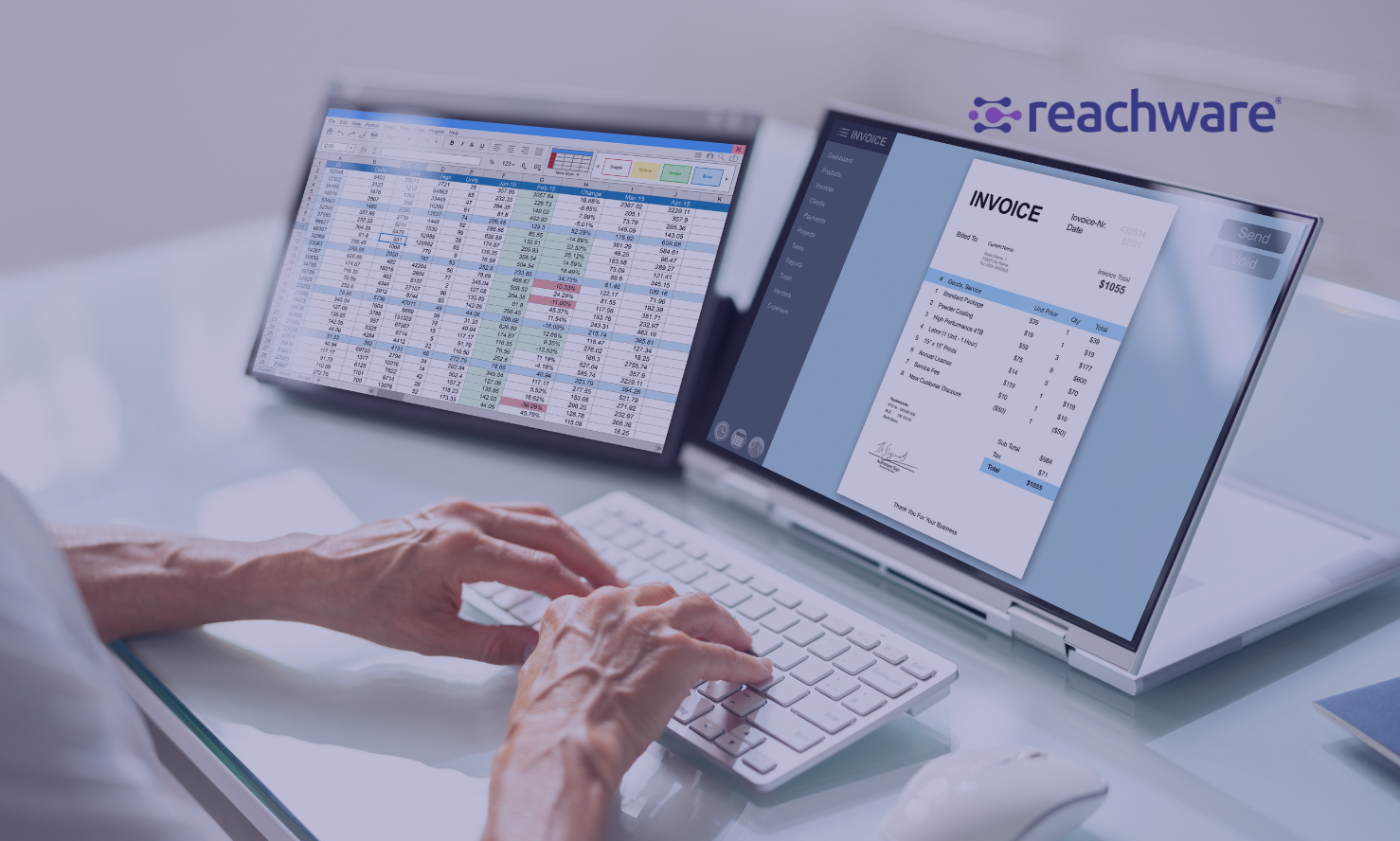
Records, invoices, and reports that are created by manual data entry contain increased opportunities for human error. The employee who runs a report in one system before another has to enter the same data again into each system manually. This creates potential for errors when entering numbers incorrectly into reports or failing to input all information necessary for an invoice to be paid correctly. It impacts income and decision-making ability. In addition, manual entry creates additional time required to enter information into systems. Consequently, daily business operations become less efficient as a result of this manual vs. automated process.
Solution
Automation tools and system integrations solve the problem of manual data entry by synchronizing data automatically between systems. Using Optical Character Recognition (OCR), companies can capture data using AI that limits human interactions with the process. Additionally, an API (Application Programming Interface) is able to move data from one system to another, thereby ensuring that all data has been transferred accurately. Therefore, with these tools, the amount of time to complete a task will decrease, the number of errors will decrease, and employees can spend more time focusing on the things that matter.
3. Poor Communication Between Departments
Disconnected systems prevent collaboration among departments. In models where Sales, Finance, and Operations are unable to share real-time updates, employees in each of these departments continue to operate on outdated data. As a result, there is often an increase in confusion and misunderstandings within a business's departmental workflow. It contributes to delays or repeated activity that diminishes productivity.
Solution
Integrated communication platforms and shared dashboards facilitate real-time communications among departments when using cloud-based tools to access current data. Additionally, Workflow Automation will ensure that updates made to one application are reflected simultaneously in other applications. Employees have "visibility" to any update made to an application using collaboration Tools that are integrated with the applications within the organization.
4. Delayed Decision-Making
With disconnected systems problems, managers do not have complete and timely data available to them, which causes reports to take longer to prepare because data is spread out. It delays decision-making and reduces agility within the business. Leaders may depend on older or incomplete information to make decisions, resulting in poor strategy execution and a slowdown in business growth.
Solution
To solve this issue, business intelligence (BI) tools and integrated dashboards provide real-time information across all systems. Data integration platforms automatically collect and combine the data for managers to have access to updated and accurate reports instantly. Automating analytics with AI provides even faster decision-making by providing immediate identification of trends, risks, and opportunities.
5. Inconsistent Reporting
When systems are disconnected, different departments could create reports based on different data sources. The same metric will result in different values across departments, creating a lack of trust in the reports produced since the numbers do not match from system to system, resulting in confusion, multiple verifications, and a lack of confidence in business reporting.
Solution
Establishing a single source of truth with a central database provides the ability to report consistently, as the integration tools automatically collect and standardize data from all systems. BI dashboards will pull from the unified data for accurate reporting. Automated reports will require less manual intervention to generate, allowing all departments to use the same validated and current data for reporting.
6. Reduced Productivity
Workers often lose time on transferring systems that do not connect as well as performing redundant work or labor due to the many systems. The increase in unnecessary redundancy and workload makes workflow slower at best while increasing overall stress on workers. Workers ultimately see their productivity reduced and spend much of their time performing non-value-added work for the business.
Solution
With workflow automation tools, there is streamlining of repetitive tasks that can allow multiple applications to integrate, allowing seamless data to be transferred through different systems, reducing the manual effort needed, and creating less need for switching systems. With these two capabilities, workers can elevate their focus on higher-value activities and let the technology do the procedural activities. This results in an overall improvement in productivity along with operational productivity across an entire organisation.
7. Customer Experience Gaps
Businesses experience incomplete customer data due to disconnected systems between various departments (sales, support, and marketing) not sharing updates. The result of this disconnect is slower, repeated questions, and inconsistent service to customers. Customers become frustrated when their information is not being tracked properly across all touch points of interaction.
Solution
To find a solution to disconnected systems problems, CRM integrated with other business applications can result in the creation of a single view of the customer. Integration of data throughout the business will allow all departments to have access to the most recent records available on a customer. Automation can assist in providing a quicker response to customer inquiries, and streamlining the process through which a customer is contacted will aid in providing a consistent message from all types of communication channels. The use of an omnichannel platform will give a customer a more seamless and personalized experience.
8. High Operational Costs
When businesses in Saudi Arabia use disjointed systems, they often face higher operational costs from manual work, duplicate data, and wasted time due to having to correct errors or manage separate tools. When businesses do not integrate various systems, they find that their IT maintenance costs increase significantly due to many different systems running separately. As a result, overall business costs increase.
Solution
Integrated platform solutions in Saudi Arabia eliminate a business's reliance on many different standalone systems, resulting in lower software and maintenance costs. Many of the manual labor costs and errors associated with running many separate systems can be minimized through automation. The use of cloud-based solutions minimizes the need for capital investment in the hardware and software needed to run the systems. The centralization of operations will enable it to reduce costs while increasing efficiencies as well as improving accuracy and system performance in all departments.
Power Your Business with Reachware Integration Platform in Saudi Arabia
Say goodbye to the breakup of your systems and gain true operational process efficiency using Reachware. Our innovative integration Platform as a Service (iPaaS) solution connects all your applications together seamlessly. It automates processes for you, creates consistent data flow across your entire organization in real time, helping reduce errors while improving overall productivity and decision-making throughout your entire business. Reachware provides comprehensive end-to-end integration solutions designed specifically for operational companies in Saudi Arabia. Whether you want to scale up from pre-production state or simply optimize existing business processes, we can help reduce the frustration of complexity, thereby enabling you to achieve more efficient growth for your business.
Reachware – One Platform – Infinite Connections – Better Business.
Make your next step toward a fully connected operational business in KSA with the help of the scalable Reachware integration platform.
Frequently Asked Questions
What is a disconnected system in business?
It is when different software tools in a company do not share data with each other, causing inefficiency and errors.
Why are disconnected systems a problem?
They create data silos, slow down work, increase errors, and reduce overall productivity across departments.
How can businesses fix disconnected systems?
By using integration platforms, APIs, and automation tools to connect all applications and enable real-time data sharing.
How does Reachware help with system integration?
Reachware connects all business systems through one platform, automates workflows, and ensures smooth and accurate data flow.